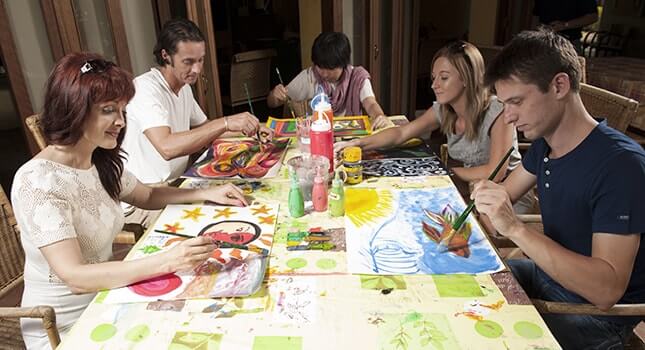
Addiction recovery is a deeply personal journey, and while traditional treatment methods like therapy and support groups are highly effective, creative expression offers an alternative path to healing. Creative addiction treatment harnesses the power of art, music, writing, and movement to help individuals process emotions, develop coping skills, and find purpose in sobriety.
Whether you’re in recovery yourself or supporting someone on their journey, exploring creativity can be a powerful tool for healing and transformation.
What Is Creative Addiction Treatment?
Creative addiction treatment is a therapeutic approach that integrates creative expression—such as painting, music, dance, drama, or writing—into addiction recovery. This method allows individuals to explore their emotions, express themselves non-verbally, and gain deeper insight into their thoughts and behaviors.
By engaging in creative activities, those in recovery can:
- Process difficult emotions in a safe, non-judgmental space
- Develop healthier coping mechanisms to replace substance use
- Improve self-esteem and build confidence in their recovery journey
- Find joy and fulfillment in sober living
Unlike traditional talk therapy, creative therapies do not rely solely on verbal communication, making them especially beneficial for those who struggle to articulate their emotions or past traumas.
Benefits of Creative Addiction Treatment
Creative therapies complement traditional addiction treatment and offer unique benefits that support long-term sobriety:
1. Encourages Emotional Healing
Many individuals in recovery have experienced trauma, guilt, or deep emotional pain. Creative expression provides a healthy outlet to release and process these emotions, reducing stress and anxiety in the process.
2. Strengthens Self-Awareness and Mindfulness
Creative activities promote mindfulness by encouraging individuals to focus on the present moment rather than dwelling on past mistakes or future uncertainties. Whether painting a picture or writing poetry, these activities allow people to be fully immersed in their work, fostering mental clarity and inner peace.
3. Builds Resilience and Healthy Coping Skills
Addiction often develops as a way to escape pain or stress. Engaging in creative expression provides an alternative, healthier way to cope with life’s challenges, helping individuals build emotional resilience and manage triggers more effectively.
4. Enhances Social Connection and Communication
Creative therapies, especially group-based ones like drama therapy or music therapy, foster connection and help individuals rebuild relationships. Engaging in these activities alongside others in recovery reduces feelings of loneliness and helps improve communication skills.
5. Promotes a Sense of Purpose and Achievement
Creating something tangible—whether a painting, a poem, or a song—boosts self-confidence and provides a sense of accomplishment. For many in recovery, rediscovering passion and purpose is a crucial part of rebuilding their lives.
Types of Creative Addiction Therapies

Creative addiction treatment includes various forms of artistic expression, each offering unique benefits for individuals in recovery.
1. Art Therapy
Art therapy encourages individuals to express emotions through visual arts such as painting, drawing, and sculpting. This approach helps people process past trauma, reduce anxiety, and explore their identity in sobriety.
2. Music Therapy
Music therapy allows individuals to use music as a tool for self-expression and emotional healing. Whether playing an instrument, writing lyrics, or simply listening to music, this therapy can:
- Reduce stress and promote relaxation
- Help process emotions in a non-verbal way
- Strengthen emotional connections with others
3. Drama Therapy
Through role-playing, improvisation, and storytelling, drama therapy helps individuals explore their past experiences, confront fears, and express emotions in a safe environment. This form of therapy is particularly beneficial for building confidence and improving communication skills.
4. Poetry and Writing Therapy
Writing therapy, including poetry, journaling, or letter-writing, encourages individuals to process emotions and experiences through words. This method is effective for:
- Gaining personal insight into addiction triggers
- Releasing negative emotions in a constructive way
- Tracking progress in recovery over time
5. Dance and Movement Therapy
Movement-based therapies, such as dance therapy or yoga, allow individuals to release stored tension and emotions through body movement. This type of therapy is particularly effective for:
- Reducing stress and anxiety
- Improving body awareness and self-confidence
- Promoting relaxation and emotional balance
Integrating Creativity Into Traditional Recovery Programs
Creative addiction treatment is most effective when used alongside traditional methods such as:
- Individual and group therapy (e.g., cognitive-behavioral therapy)
- 12-step programs or other support groups
- Medical treatment or medication-assisted therapy (if applicable)
By combining creative therapies with evidence-based treatment, individuals in recovery can experience a holistic approach that nurtures both the mind and body.
Final Thoughts: Creativity as a Path to Healing
Creative addiction treatment offers a unique and empowering way to navigate recovery. Whether through art, music, writing, or movement, engaging in creative expression can:
✅ Provide a healthy emotional outlet
✅ Reduce stress, anxiety, and depression
✅ Foster self-awareness and personal growth
✅ Build confidence and a sense of purpose
If you’re in recovery or supporting someone on their journey, consider exploring creative therapies as a complement to traditional treatment. Creativity isn’t just a tool for self-expression—it’s a powerful method of healing and transformation.
Further Reading on Recovery and Sobriety:
Mindful Drinking 101
Why Are the Holidays So Hard for Those in Recovery?
Other Resources:
For more information on creative addiction treatment, check out resources like Addiction Center.